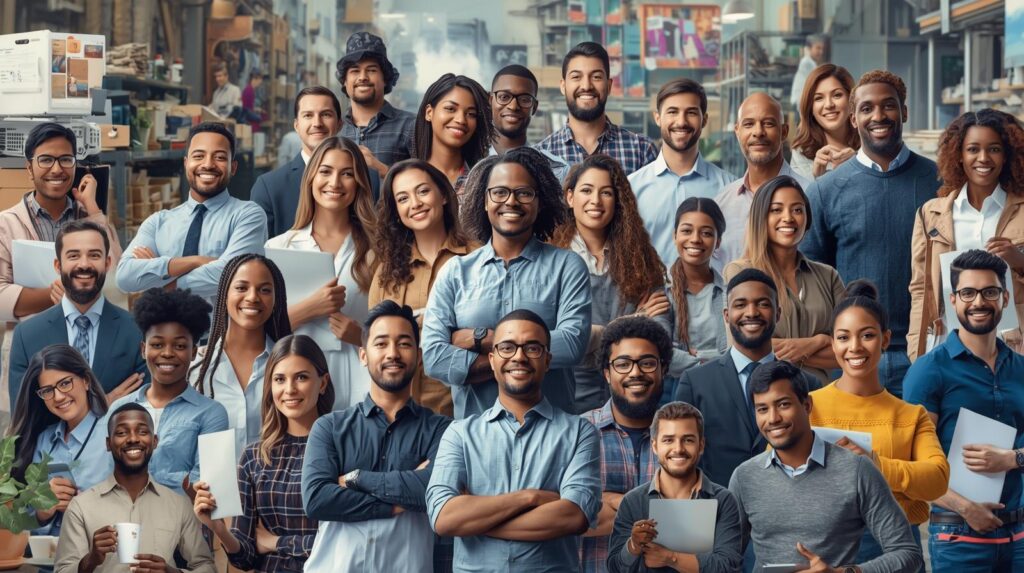




The discourse surrounding economic growth often emphasizes technology, industries, infrastructure, or metrics such as GDP. Although these factors are important, they do not provide a complete picture. People are the driving force behind every expanding economy—individuals who engage in communication, address challenges, adjust to new circumstances, and make significant choices on a daily basis.
Human skills like communication, critical thinking, adaptability, and leadership are emerging as the genuine catalysts of economic advancement. While growth can be supported by machines and technology, it is individuals who utilize them effectively and transform ideas into tangible outcomes that truly drive it. Thus, contemporary learning platforms such as SkillsBiz Education emphasize the development of practical human skills that equip people for challenges they will face in the real world.
In the rapidly evolving economy of today, success relies on individuals’ skills and adaptability, rather than just their tools or qualifications. This blog examines the increasing importance of human skills and their role in personal achievement, corporate performance, and broader economic development.
Understanding Economic Growth in Simple Terms
Economic growth refers to the enhancement of income levels, productivity, and overall quality of life. The economy becomes more robust when individuals’ earnings improve, business performance thrives, and opportunities expand.
However, growth cannot occur merely through investment in machines or technology. These resources generate value solely when individuals are aware of effective ways to utilize them. Individuals with skills enhance productivity, minimize waste, and improve decision-making, thereby directly boosting economic output.
To put it simply, when people are capable, confident, and skilled in their work, economies grow faster and more sustainably.
What Are Human Skills?
Human skills refer to the competencies that enable individuals to collaborate well with others, maintain clear thinking, and adjust to new situations. Unlike machines or technical tools, human skills are personal strengths that enhance the way work is accomplished.
Some key human skills include:
-
Communication and teamwork
-
Critical thinking and problem-solving
-
Creativity and innovation
-
Adaptability and learning ability
-
Leadership and decision-making
These skills help individuals perform better in any role and allow organizations to function smoothly and grow consistently.

Why Human Skills Are More Important Than Ever
Automation and digital technologies have transformed job roles across various industries. Many routine tasks are now handled by machines or software. However, technology cannot replace human attributes like strategic thinking, creativity, empathy, and sound judgment.
Machines handle data, but individuals are responsible for interpreting it. Humans determine the direction and priorities, while technology accelerates tasks. Consequently, economies are now largely reliant on individuals who can think for themselves, work together efficiently, and adjust rapidly.
Human skills are now crucial as they enhance technology and transform innovation into tangible economic value.
Human Skills and Workforce Productivity
A skilled workforce performs tasks more efficiently and with fewer errors. When people communicate clearly, solve problems faster, and collaborate well, productivity naturally improves.
Better productivity leads to:
-
Faster task completion
-
Improved quality of work
-
Reduced operational mistakes
-
Higher overall efficiency
As productivity increases, businesses grow stronger, profitability improves, and economic performance rises at both local and national levels.
The Role of Human Skills in Employment Growth
Today, employers are placing greater emphasis on skills instead of solely relying on job titles or degrees. Organizations seek employees who can adapt, communicate, and contribute effectively from the outset.
People with strong human skills:
-
Find jobs faster
-
Adjust easily to new roles
-
Perform better in team-based environments
This enhances job rates, mitigates chronic unemployment, and bolsters economic stability. Hiring based on skills results in a workforce that is more flexible and resilient.

Human Skills as a Driver of Innovation
It is not only machines that drive innovation; it is also people who challenge the status quo, envision new possibilities, and enhance current systems. At the core of innovation are creativity, collaboration, and critical thinking.
Skilled individuals help businesses:
-
Improve products and services
-
Enhance customer experiences
-
Streamline processes
-
Explore new markets
Innovation driven by human skills fuels long-term economic expansion and keeps economies competitive in a global environment.
Human Skills Across Different Economic Sectors
Human skills are valuable in every sector of the economy, including:
-
Business and entrepreneurship
-
Education and training
-
Healthcare and services
-
Technology and digital industries
No sector can grow without skilled people. Whether managing teams, serving customers, or developing solutions, human skills remain essential across all industries.
The Role of Education in Developing Human Skills
Modern education is evolving past memorization and theoretical approaches. An increasing emphasis is being placed on skill-based education that equips people for actual challenges in the world.
It is now crucial to learn communication, problem-solving, teamwork, and adaptability in addition to academic knowledge. Platforms such as SkillsBiz Education emphasize hands-on, industry-relevant learning that aids individuals in developing confidence and skill.
Education with an emphasis on skills guarantees a direct link between learning and economic developmen
Human Skills and Economic Resilience
Economic conditions evolve as a result of market shifts, technological disruption, or global challenges. Economies adapt and recover more quickly with the assistance of skilled individuals.
Reskilling and upskilling enable individuals to transition into new roles, foster innovation, and uphold productivity amid uncertainty. Being flexible and learning on an ongoing basis bolster economic resilience and stability.
For this reason, ongoing development of skills is vital for the economy’s long-term health, and platforms such as SkillsBiz Education can help with that.
Challenges in Building Human Skills
Despite their importance, building human skills comes with challenges such as:
-
Skill gaps in the workforce
-
Limited access to quality training
-
Resistance to change or learning
Addressing these challenges requires structured learning, guidance, and consistent practice. Skill-based education helps overcome these barriers by making learning accessible and relevant.
Long-Term Economic Benefits of Investing in Human Skills
Investing in human skills leads to powerful long-term benefits, including:
-
Higher income levels
-
Stronger and more competitive businesses
-
Sustainable economic growth
-
Improved global competitiveness
A skilled population creates a strong foundation for national progress. Continuous learning supported by initiatives like SkillsBiz Education ensures that individuals and economies remain future-ready.
Human skills are more important than ever in today’s economy. While technology supports growth, it is people who drive it forward. Communication, adaptability, creativity, and problem-solving shape productivity, innovation, and resilience.
By investing in human skills through continuous learning and practical education, individuals strengthen their careers, businesses improve performance, and economies achieve sustainable growth. The future of economic success belongs to skilled people who are ready to learn, adapt, and lead.
FAQs
What are human skills in simple words?
Human skills are abilities like communication, problem-solving, teamwork, and adaptability that help people work effectively.
Why are human skills important for economic growth?
They improve productivity, innovation, and employment, which strengthens the economy.
Can human skills matter more than technology?
Yes. Technology supports work, but human skills guide decisions, creativity, and strategy.
How do human skills improve employment opportunities?
They help individuals adapt to roles, perform better, and stay relevant in changing job markets.
How can individuals develop human skills for the future economy?
Through continuous learning, practice, and skill-based education platforms like SkillsBiz Education.